
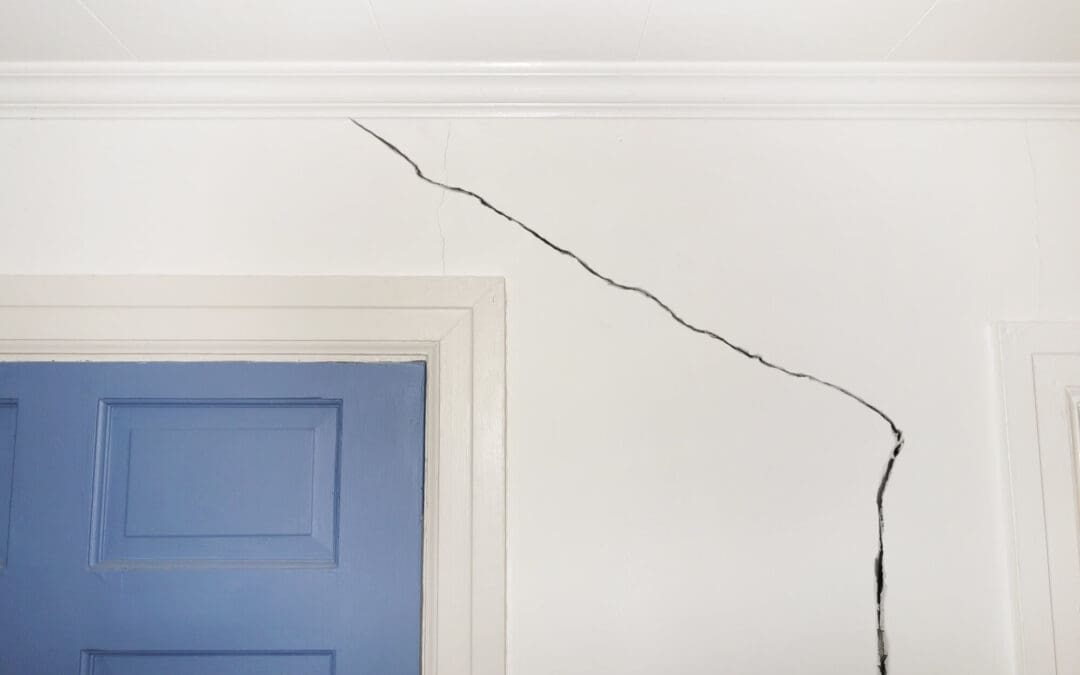
Your home’s structure is its foundation, literally and figuratively. When structural problems develop, they rarely announce themselves with obvious, dramatic signs. More often, they show up as subtle changes that are easy to dismiss as normal wear and tear. Knowing what to look for and understanding when something warrants professional attention can save homeowners from the kind of escalating damage that turns manageable repairs into major, expensive interventions.
What Causes Structural Problems in Homes
Structural problems can develop for a wide range of reasons, such as soil movement beneath the foundation, water infiltration, wood-destroying insects, settling over time, or simply the natural aging of building materials. Older homes are particularly susceptible, but no home is immune. Even relatively new construction could develop structural concerns if it was built on unstable soil, if drainage around the foundation was poorly designed, or if water damage went unaddressed for a long period. Understanding the root causes helps homeowners recognize which warning signs deserve the most urgent attention. Structural problems that stem from ongoing water intrusion or active settlement tend to worsen progressively, which is precisely why early identification matters so much.
Cracks in Walls, Ceilings, and Foundations
Not all cracks indicate structural problems, but certain types demand immediate attention. Hairline cracks in drywall from normal seasonal movement are generally not a concern. However, diagonal cracks radiating from the corners of windows and doorframes, horizontal cracks in basement or foundation walls, and stair-step cracks in brick or masonry are all red flags that warrant professional evaluation. Foundation cracks are particularly serious. Vertical cracks may indicate differential settling, while horizontal cracks in basement walls often signal lateral soil pressure pushing against the structure, one of the more urgent types of structural problems a homeowner can encounter. Any crack that is growing, widening, or that you can insert a coin into should be assessed by a structural engineer as soon as possible.
Doors and Windows That Stick or Won’t Close Properly
This is one of the most commonly overlooked early warning signs of structural problems. When a home’s frame shifts or the foundation settles unevenly, door frames and window openings distort, causing doors to stick, swing open or closed on their own, or fail to latch properly. Windows may become difficult to open or develop visible gaps between the frame and the surrounding wall. While humidity and seasonal wood swelling may cause similar symptoms, these typically affect a single door or window and resolve on their own. When multiple doors and windows throughout the home are suddenly behaving differently, structural movement is a more likely explanation.
Signs of Structural Problems: Uneven or Sagging Floors
Floors that bounce, slope noticeably, or feel soft in certain areas are a significant indicator of potential structural problems. In homes with crawl spaces, sagging floors often point to failing support beams, rotting joists, or compromised posts, frequently the result of moisture damage or wood-destroying insects working unseen beneath the floor for months or years. Sloping floors in a slab-on-grade home may indicate foundation movement or voids developing beneath the concrete. Either way, uneven floors should never be dismissed as a cosmetic issue.
Gaps, Separations, and Visible Distortion
Gaps forming between walls and ceilings, between exterior trim and siding, or between the chimney and the main structure of the house are all signs that parts of the home are moving in different directions. Visible bowing or bulging in walls suggests that framing members may be under stress or that moisture has compromised the wall assembly. Stair-step cracking along exterior brick, mortar joints pulling apart, and visible separation at wall corners all point to differential movement that deserves professional assessment. The key distinction between cosmetic settling and true structural problems is movement; any distortion that appears to be progressing rather than remaining stable should be treated as urgent.
When structural problems are identified, the next step is always a professional evaluation by a licensed structural engineer or a certified home inspector. These issues are not suitable for a DIY fix, and delaying professional assessment typically allows the underlying cause to continue doing damage. Early intervention is almost always faster, less invasive, and significantly less expensive than addressing structural problems after they’ve had time to compound.
Frequently Asked Questions (FAQs)
What are the most common signs of structural problems in a home?
Diagonal cracks near door and window frames, horizontal cracks in foundation walls, sticking doors and windows, uneven or sagging floors, and visible gaps or separations between walls and ceilings are among the most common warning signs.
Are all wall cracks a sign of structural problems?
Not necessarily. Hairline cracks from normal settling or seasonal movement are common and typically not concerning. Diagonal cracks at corners, horizontal cracks in foundation walls, and cracks that are growing or widening are the ones that indicate potential structural problems and require attention.
How urgent are structural problems in a home?
Urgency depends on the type and severity of the issue. Progressive cracks, horizontal foundation wall cracks, and actively sagging floors warrant immediate professional assessment. Signs that appear stable and haven’t changed in years may be less urgent but should still be evaluated by a professional to confirm they aren’t developing.
Can structural problems be fixed?
Yes, in most cases, but the approach and cost depend heavily on the cause and extent of the damage.
HomeVantage Home Inspections provides termite inspection services to homebuyers and sellers in Northern New Jersey. Contact us to schedule an appointment.