
Water is one of the most persistent and damaging forces a home’s foundation can face. It tends to build quietly over time, working its way into cracks, saturating soil, and creating the conditions for mold, structural deterioration, and costly repairs. Knowing how to keep water away from your foundation before problems develop is one of the most valuable things a homeowner can do to protect the long-term structural health and value of the property.
Why It’s Critical to Keep Water Away From the Foundation
The foundation is the structural backbone of your home, and water is its most persistent enemy. When soil around the foundation becomes consistently saturated, it loses its load-bearing capacity and begins to shift in ways that cause cracks, bowing walls, and uneven floors. Hydrostatic pressure, the force of water-saturated soil pressing against foundation walls, is one of the leading causes of basement wall failure. Freeze-thaw cycles amplify the damage significantly, as water that infiltrates cracks expands when it freezes and widens those cracks with every cycle. Addressing the conditions that allow water to accumulate near the foundation is the most reliable long-term strategy for avoiding these outcomes.
Grade the Soil to Keep Water Away From the House
The most fundamental step for keeping water away from the foundation is ensuring the soil around the home slopes away from the structure rather than toward it. Water follows gravity, and if the ground around your home is flat or slopes inward, every rainstorm directs water toward the foundation. The general guideline is a minimum slope of six inches over the first ten feet from the foundation. In many cases, simply adding topsoil to low spots around the perimeter and shaping it into the correct slope resolves the most common drainage issues without any additional intervention.
Maintain Your Gutter System to Keep Water Away From the Base
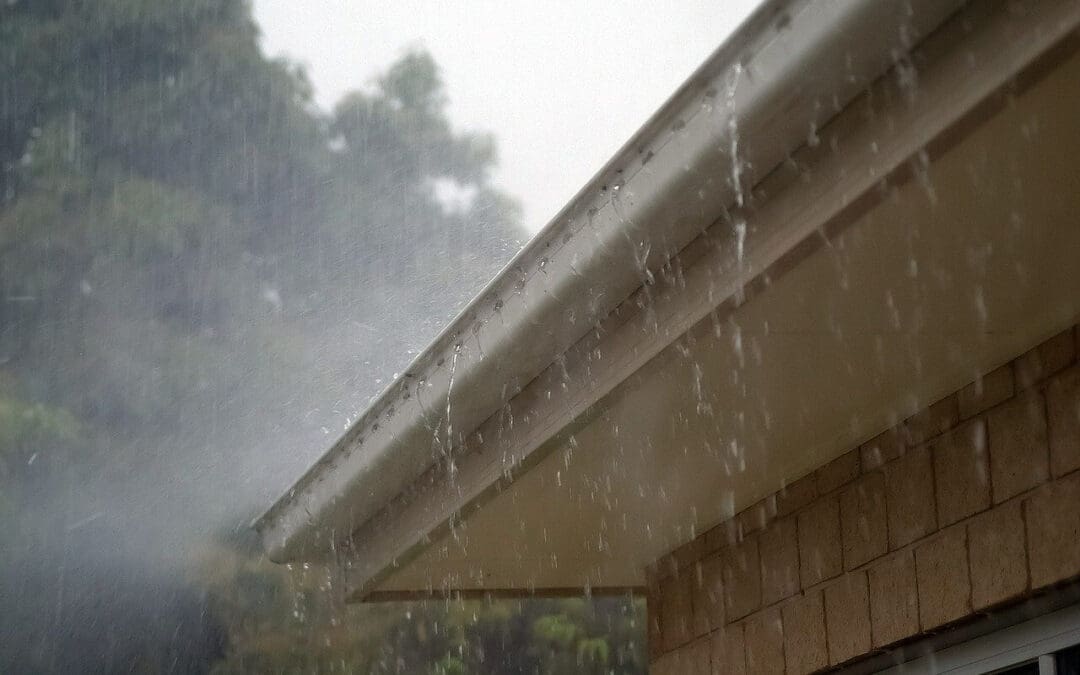
Your gutter and downspout system is the first line of defense against the volume of water that falls on your roof during a rain event. A poorly maintained system is one of the most common contributors to foundation moisture problems. Gutters that are clogged or sagging allow water to overflow directly against the foundation rather than being channeled safely away. Cleaning gutters at least twice a year ensures they’re functioning correctly. Downspouts should discharge at least six feet from the foundation. Downspout extensions, splash blocks, and underground discharge pipes are all effective tools for moving water further from the structure.
Address Low Spots and Standing Water in the Yard
Even with proper grading around the home, low spots elsewhere in the yard create conditions that eventually work their way toward the foundation as water levels rise in saturated soil. Identifying and addressing these problem areas through regrading, installing French drains, or creating rain gardens reduces the overall water load on the surrounding soil. A French drain is particularly effective for managing subsurface water. A perforated pipe buried in a gravel-filled trench collects water below the surface and routes it to a safe discharge point well away from the home. In yards with significant drainage challenges, consulting a contractor provides the most reliable path to a lasting solution.
Inspect and Maintain Foundation Waterproofing
Physical drainage improvements work best when the foundation itself is also properly protected. Inspect the exterior foundation annually for cracks, gaps, and deteriorating sealant. Hairline cracks should be sealed promptly before they widen through freeze-thaw cycles. Window wells on below-grade windows should have gravel at the base and covers to prevent water accumulation during heavy rain. Interior measures, such as sump pumps, drain tile systems, and crawl space vapor barriers, provide an additional layer of protection where exterior drainage alone isn’t fully sufficient.
Frequently Asked Questions (FAQs)
How do I know if water is getting into my foundation?
Water stains or white mineral deposits on basement walls, musty odors, visible cracks, soft or damp spots on basement floors after rain, and consistently higher interior humidity are all common signs of foundation moisture intrusion worth investigating promptly.
How much slope do I need to protect my foundation?
A minimum drop of six inches over the first ten feet from the foundation is the general recommendation. In areas with heavy rainfall, clay soils, or homes at the base of a slope, more aggressive grading or supplemental drainage measures may be needed to fully manage the water load.
Do gutters really make a difference for foundation protection?
Yes, significantly. A properly functioning gutter system collects and channels water well away from the foundation through downspouts. Without gutters, water falls directly off the roofline and saturates the soil immediately adjacent to the foundation. Keeping gutters clean and well-maintained is one of the highest-return foundation protection measures available.
What is a French drain, and when do I need one?
A French drain is a gravel-filled trench containing a perforated pipe that collects subsurface water and routes it safely away from the home. It’s most useful in low-lying areas, at the base of slopes, or in soils with poor natural drainage. It can be a DIY project in straightforward situations or installed by a contractor for more complex applications.
HomeVantage Home Inspections provides termite inspection services to homebuyers and sellers in Northern New Jersey. Contact us to schedule an appointment.