
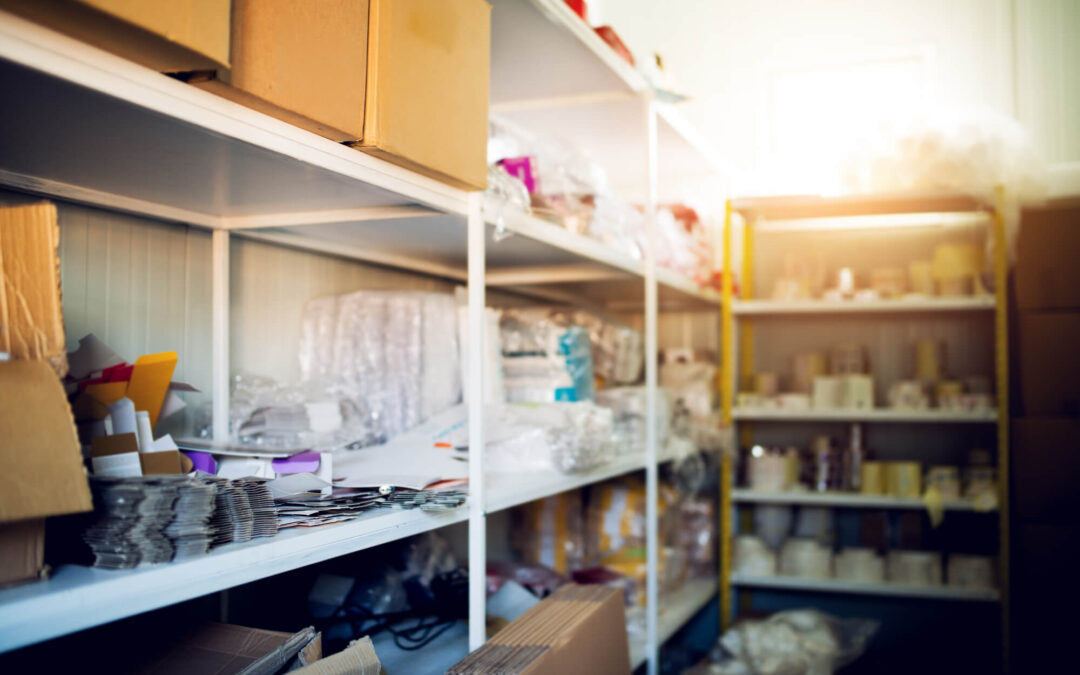
For many homeowners, the basement slowly becomes the default storage area for everything that doesn’t have a clear home upstairs. Holiday decorations, old furniture, boxes of paperwork, and forgotten hobby supplies often accumulate over time. Before long, the basement turns into a cluttered space that feels overwhelming to tackle. Taking the time to organize your basement can transform it from a chaotic storage zone into a practical and usable part of your home. Whether the goal is to create better storage, reclaim valuable square footage, or prepare the space for a renovation, an organized basement makes daily life easier. It also protects belongings from damage and helps homeowners quickly find what they need without digging through piles of boxes.
The good news is that organizing a basement doesn’t require professional help or expensive renovations. With a clear plan and a few simple systems, it’s possible to turn even the messiest basement into an orderly space.
Start With a Clean Slate
The first step to organizing any basement is clearing it out as much as possible. Removing items from shelves, corners, and storage bins allows homeowners to see exactly what they have. This step also reveals hidden issues such as moisture problems, dust buildup, or damaged belongings. Once everything is visible, it becomes easier to sort items into categories such as keep, donate, recycle, or discard. Many basements hold items that haven’t been used in years, so this stage is an opportunity to declutter aggressively. Reducing the number of stored items makes the rest of the organizing process significantly easier. Cleaning the space thoroughly is important before putting things back. Sweeping floors, wiping surfaces, and checking for leaks ensures the basement is a safe and clean environment for long-term storage.
Smart Storage Ideas to Organize Your Basement
After decluttering and cleaning, the next step is building a storage system that keeps everything accessible. Vertical storage works particularly well in basements because it maximizes wall space while keeping floors clear. Sturdy shelving units are ideal for holding labeled bins and boxes. Clear plastic containers are especially useful because they allow homeowners to see contents without opening every box. For heavier items, durable shelving with strong weight capacity prevents sagging or collapse over time. Zoning the basement also helps maintain organization. Creating dedicated areas for tools, seasonal decorations, sports equipment, and household supplies prevents items from mixing together. Over time, this structure makes it easier to maintain order and return items to their proper place. Lighting also plays a surprisingly important role in basement organization. Well-lit spaces make it easier to identify items and keep the area tidy.
How to Organize Your Basement for Long-Term Success
Once the storage system is in place, maintaining the organization becomes the next priority. Labeling storage bins clearly ensures everyone in the household knows where items belong. This simple step prevents clutter from creeping back over time. Another useful strategy is keeping frequently used items near the stairs or the entrance of the basement. Seasonal items or rarely used belongings can be placed deeper into the space. This arrangement reduces the need to move multiple boxes whenever something is needed. Regular maintenance helps preserve the organization. A quick seasonal check allows homeowners to remove unused items and adjust storage areas as needs change. Over time, these small adjustments keep the basement functional rather than letting clutter accumulate again. Basements are also vulnerable to humidity and moisture, so using moisture absorbers or dehumidifiers helps protect stored items.
Turning an Organized Basement Into a Useful Space
Once you successfully organize your basement, you often discover that the space has far more potential than expected. A well-organized basement can support a variety of uses beyond storage. Some homeowners convert part of the space into a workshop, exercise area, or hobby room. Others create additional living areas such as home offices, playrooms, or entertainment spaces. Even if the basement remains primarily a storage zone, improved organization makes it feel larger, cleaner, and far more manageable. The key is maintaining clear pathways and ensuring storage areas remain structured. When everything has a designated location, the basement becomes a practical extension of the home rather than a cluttered afterthought.
Frequently Asked Questions (FAQs)
How often should homeowners organize their basement?
Most homeowners benefit from reviewing and reorganizing their basement at least once or twice a year. Seasonal checks help remove unused items and keep storage systems working effectively.
What is the best type of storage container for basements?
Durable plastic bins with tight-fitting lids are typically the best choice. They protect belongings from dust, pests, and moisture better than cardboard boxes.
How can moisture damage be prevented in a basement?
Using a dehumidifier, sealing small leaks, and storing items on shelves instead of directly on the floor will help prevent moisture damage.
Can a basement still be organized if it’s small?
Absolutely. Even small basements can be highly functional with vertical shelving, labeled containers, and clearly defined storage zones. The key is maximizing wall space and minimizing unnecessary items.
HomeVantage Home Inspections provides termite inspection services to homebuyers and sellers in Northern New Jersey. Contact us to schedule an appointment.